SolarEdge Go Orchestrating Efficiency
Reducing Commissioning Time & Automating Feedback Loops
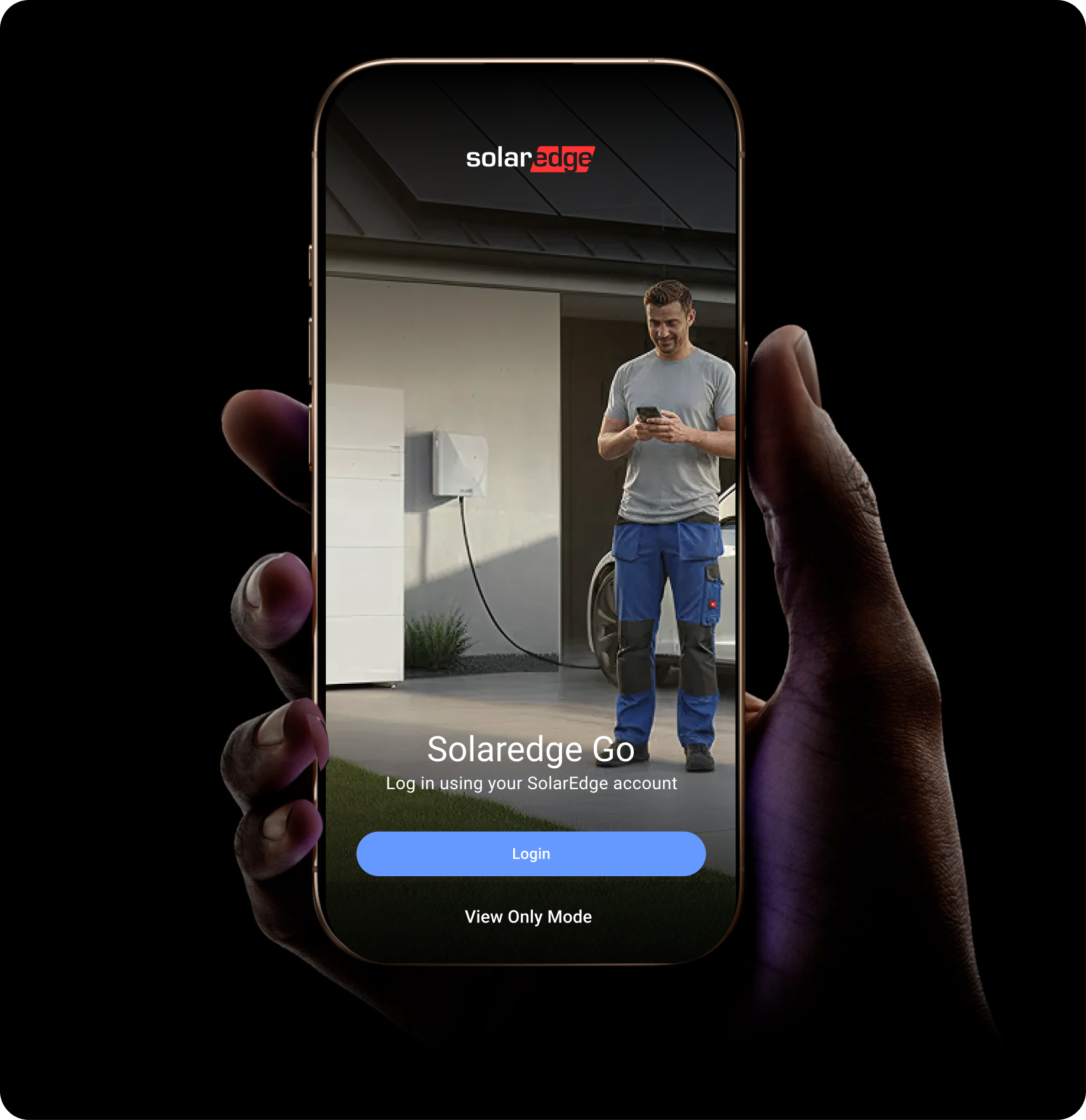
SolarEdge Market
& The User
SolarEdge A global leader in smart energy technology (Inverters, Batteries, EV Chargers) with millions of monitored sites worldwide.
The Scope: I led the end-to-end design strategy to support over 300K annual installations and the ongoing maintenance of 5M global sites.
The User: The Solar Installer
Who: Certified electricians working in harsh field conditions (rooftops, direct sunlight, poor reception).
Pain Point: Every minute spent waiting for a progress bar or troubleshooting on-site is lost profit.
Goal: Complete the commissioning safely and correctly the first time—no return visits.

Unifying 3 Legacy Apps into One Seamless Ecosystem
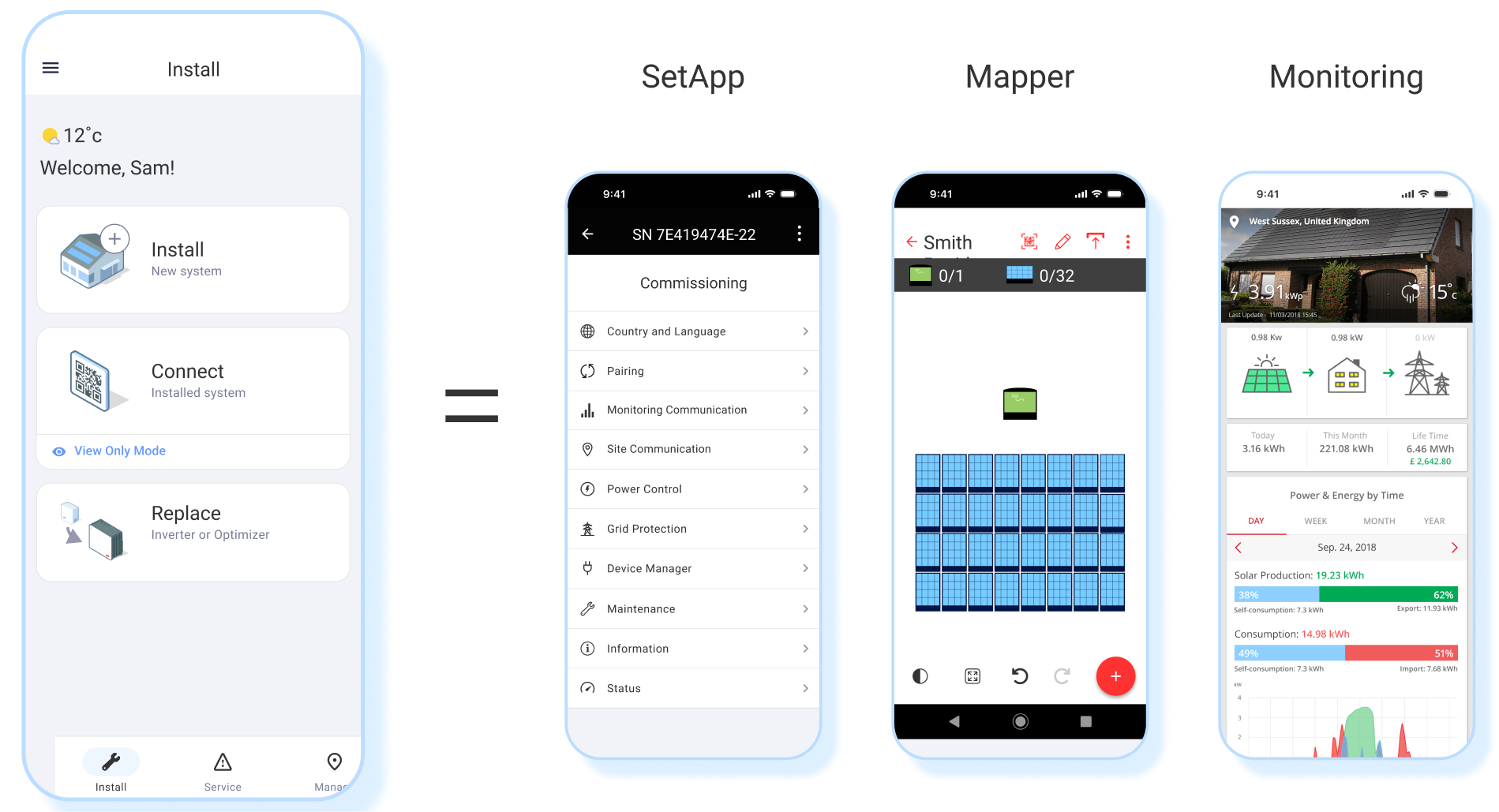
The Shift: We led the design strategy to consolidate three fragmented tools: SetApp (Installation), the Monitoring Platform (Service) and Mapper into a single "Super App," SolarEdge Go.
The Goal: Eliminate the disconnect between installation and verification, creating one seamless tool for the entire lifecycle: from Commissioning to Fleet Management.
A Challenge:
"Time is Money"
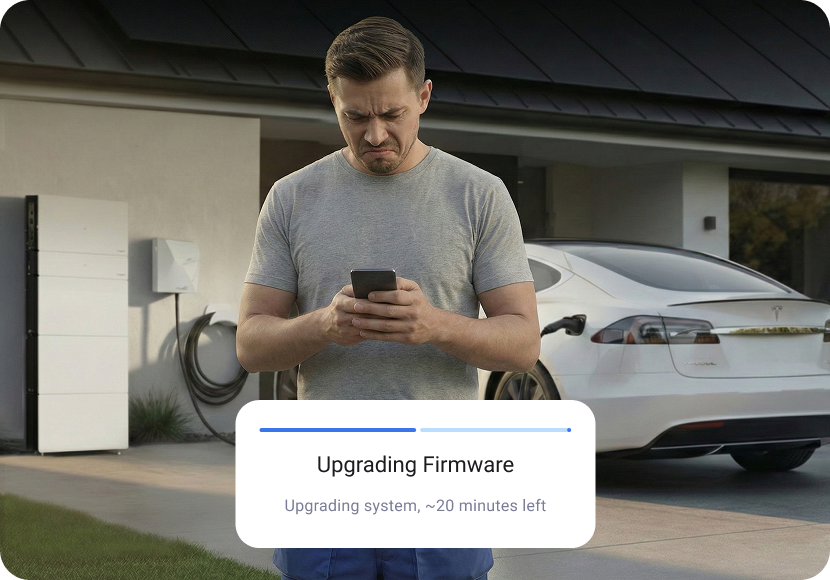
Problem: Installers were losing money due to long, linear commissioning times on rooftops. 1.5 hr
Goal: Drastically reduce "Time to Commission" per site to improve profitability. 30 min
The Solution:
Parallel Workflows
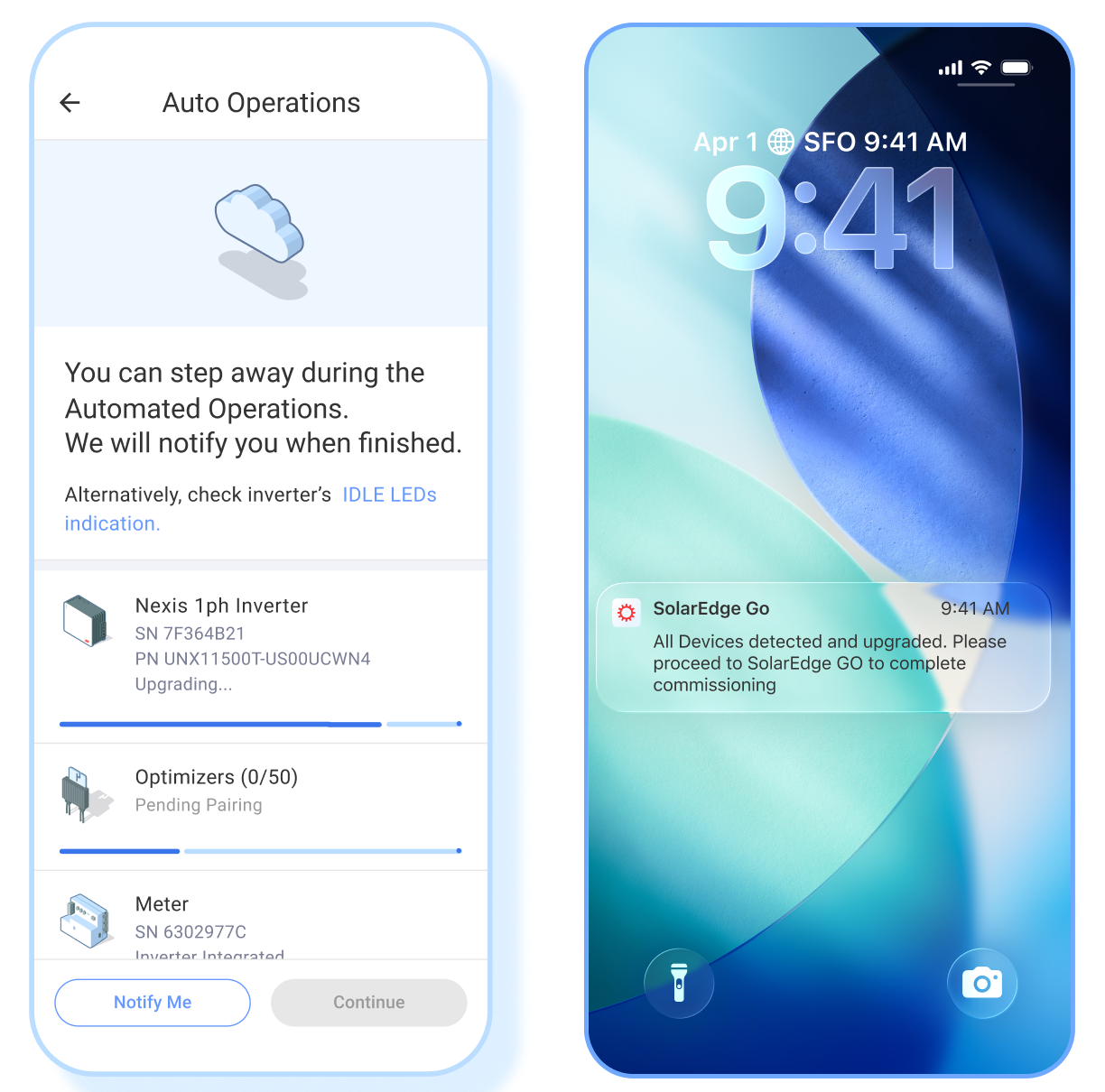
Old Way: Linear waiting (Turn on $\to$ Wait for FW $\to$ Wait for Register).
New Way: Parallel Processing.
System wakes up $\to$
FW Upgrade starts in background (Auto).
While FW upgrades $\to$ User registers the site.
If FW is slow $\to$ "You can leave, we'll notify you." (Freedom).
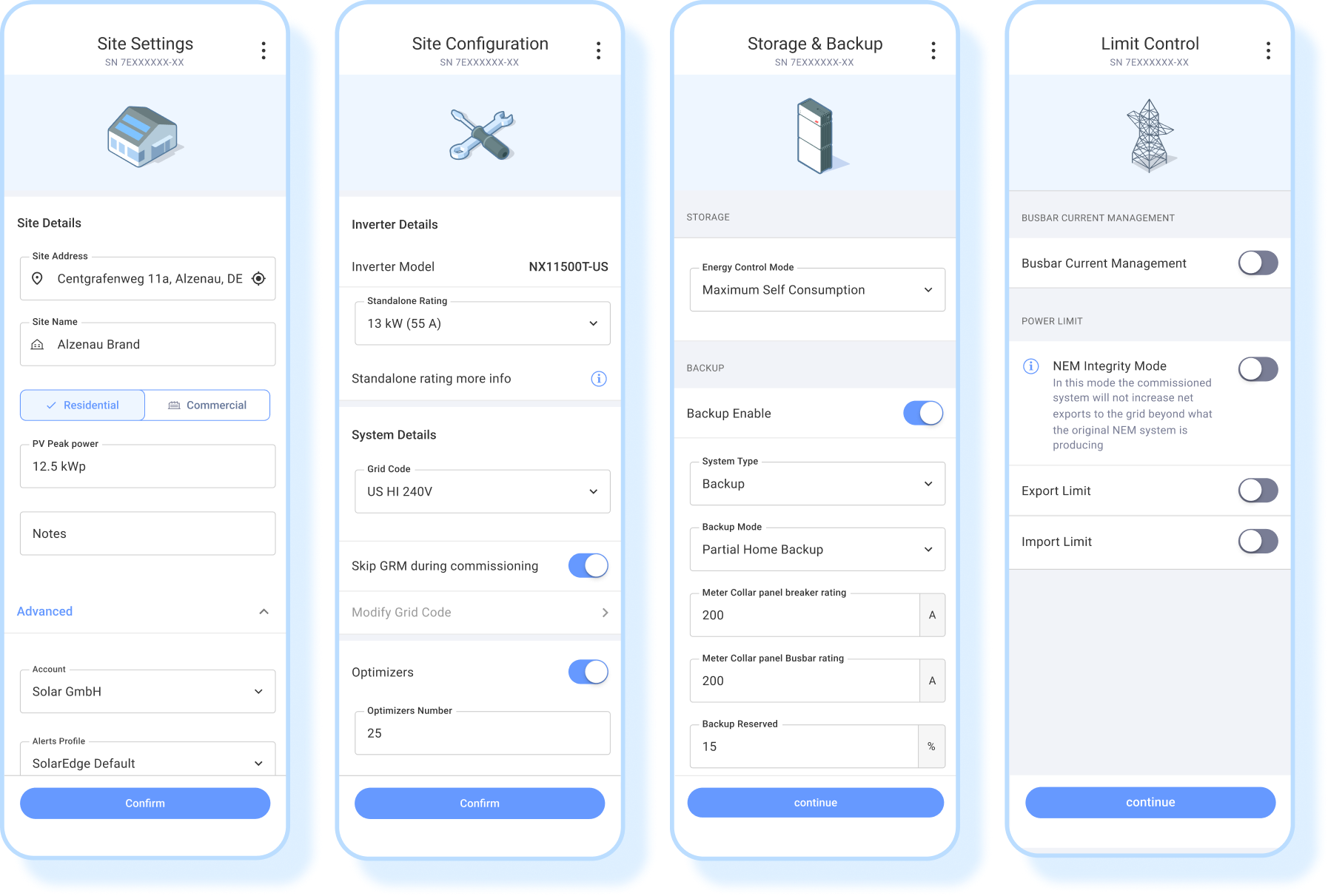
Information Architecture: The "Power of 4"
Simplification: Consolidated endless lists into 4 clear buckets: Settings, Configuration, Storage, Power Limit.
Smart Defaults: Pre-filled "Best Practice" parameters so users only touch what's necessary.
Engineering Efficiency: Built shared Flutter components (e.g., Energy Graphs) used by both SolarEdge Go and mySolarEdge, reducing dev time by 50%.
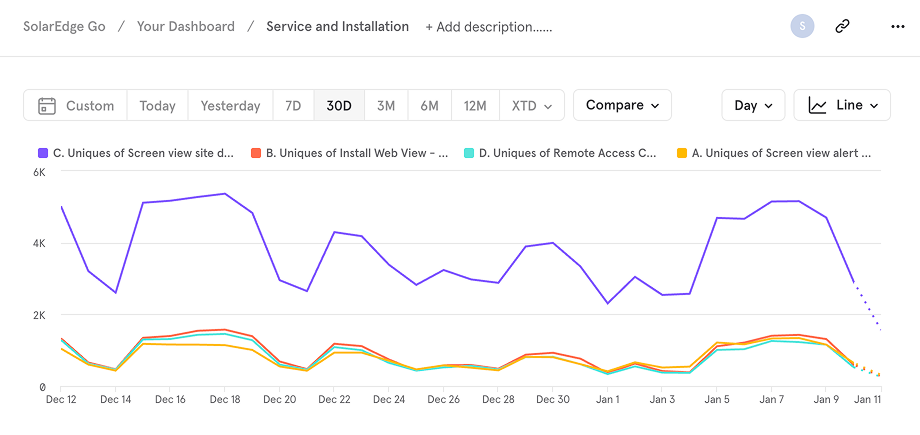
Strategic Pivot: Service vs. Installation
Data Insight: Analyzed usage data (300k new installs vs. 5M existing sites).
Strategy: Pivoted the product focus to support Service (maintenance) equally, ensuring the app remains valuable long after the initial install.
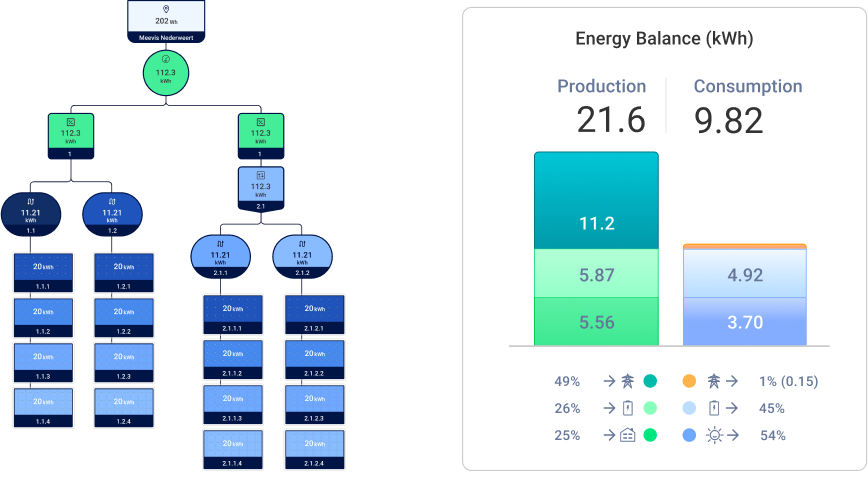
Engineering Efficiency (Design Systems)
Unified Codebase: leveraged Flutter to build a shared component library for "Site Analysis" and "Energy Flow."
Impact: Shared components between SolarEdge Go and mySolarEdge reduced R&D effort and ensured installers and homeowners speak the same visual language.
Validation & User Satisfaction
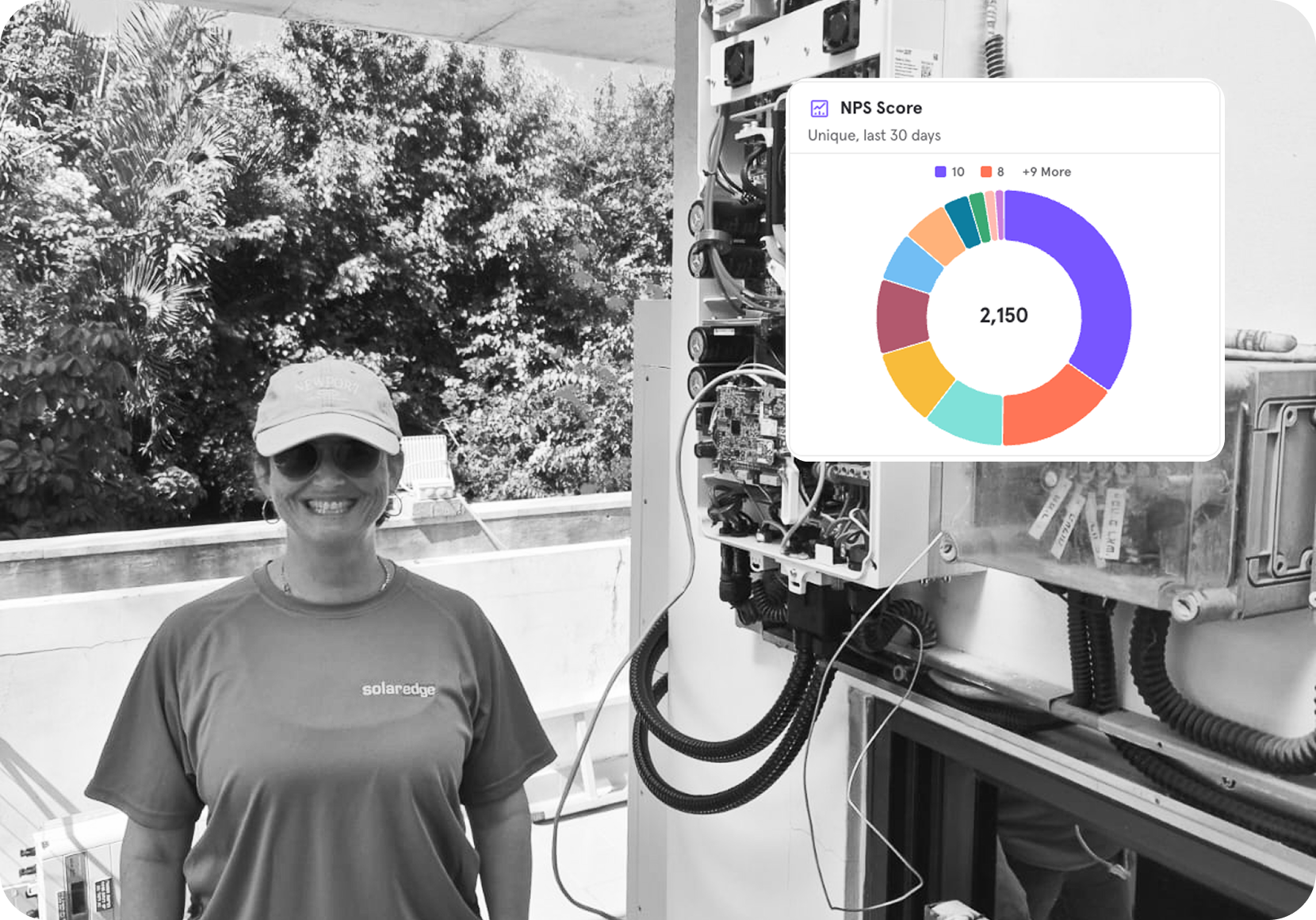
In-Context NPS: Integrated a post-success micro-survey, allowing us to correlate quantitative speed with qualitative satisfaction.
Field Research: Conducted regular on-site visits to observe physical and technical constraints. Talking to installers about the commissioning flow.
AI Feedback Loop (Research Ops)
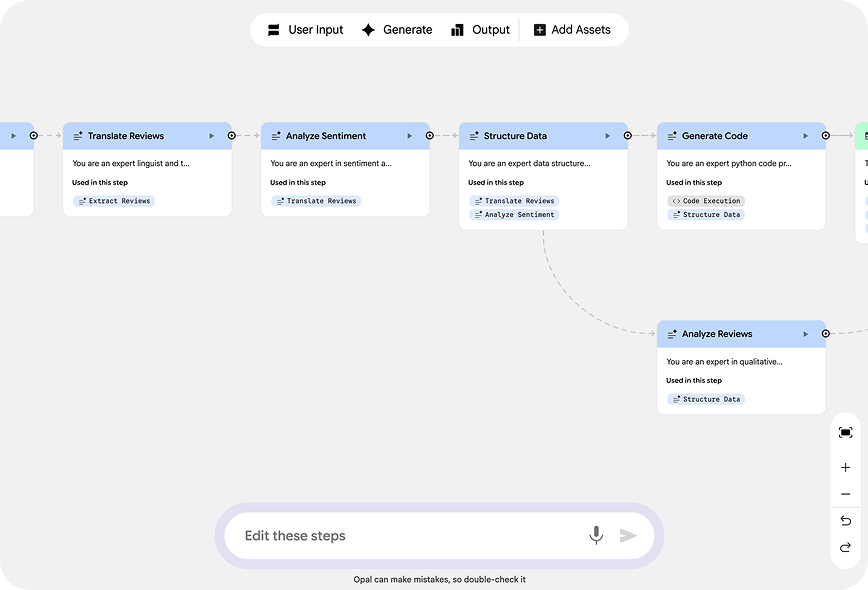
The Problem: We were flooded with store reviews and support tickets, making it impossible to manually track bugs.
The AI Solution: I implemented an AI Agent (using Opal) to automate review analysis.
Research Tools: Used Mixpanel to validate these findings with behavioral data (drop-off rates).
The Impact (ROI)
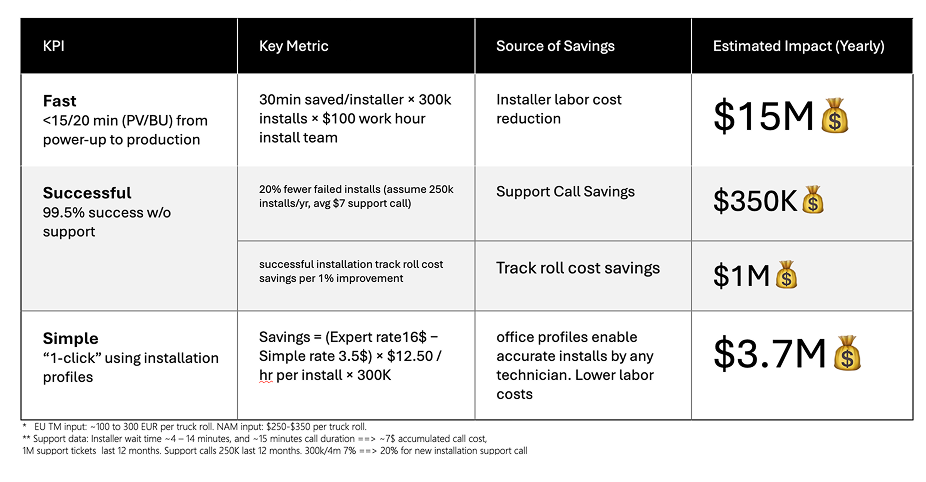
Financial: Calculated (Minutes Saved $\times$ Installer Rate $\times$ 300k sites) to show $M industry savings.
Satisfaction: Integrated real-time NPS tracking.
Cultural: Shifted R&D mindset from "Features" to "Flows" and "Reusable Components."